What is OPSkins & What Actually Happened?
You are here because you have heard the name OPSkins somewhere, it could be a stream, YouTube, Reddit, any other social media and you started to wonder: wait, I have no idea what is OPSkins and people keep mentioning it, or perhaps you have been active with CS skins during the OPSkins era and now wonder where it all led up to. In this article, we cover what it is, how it went, and how it ended up with OPSkins.
What is OPSkins?
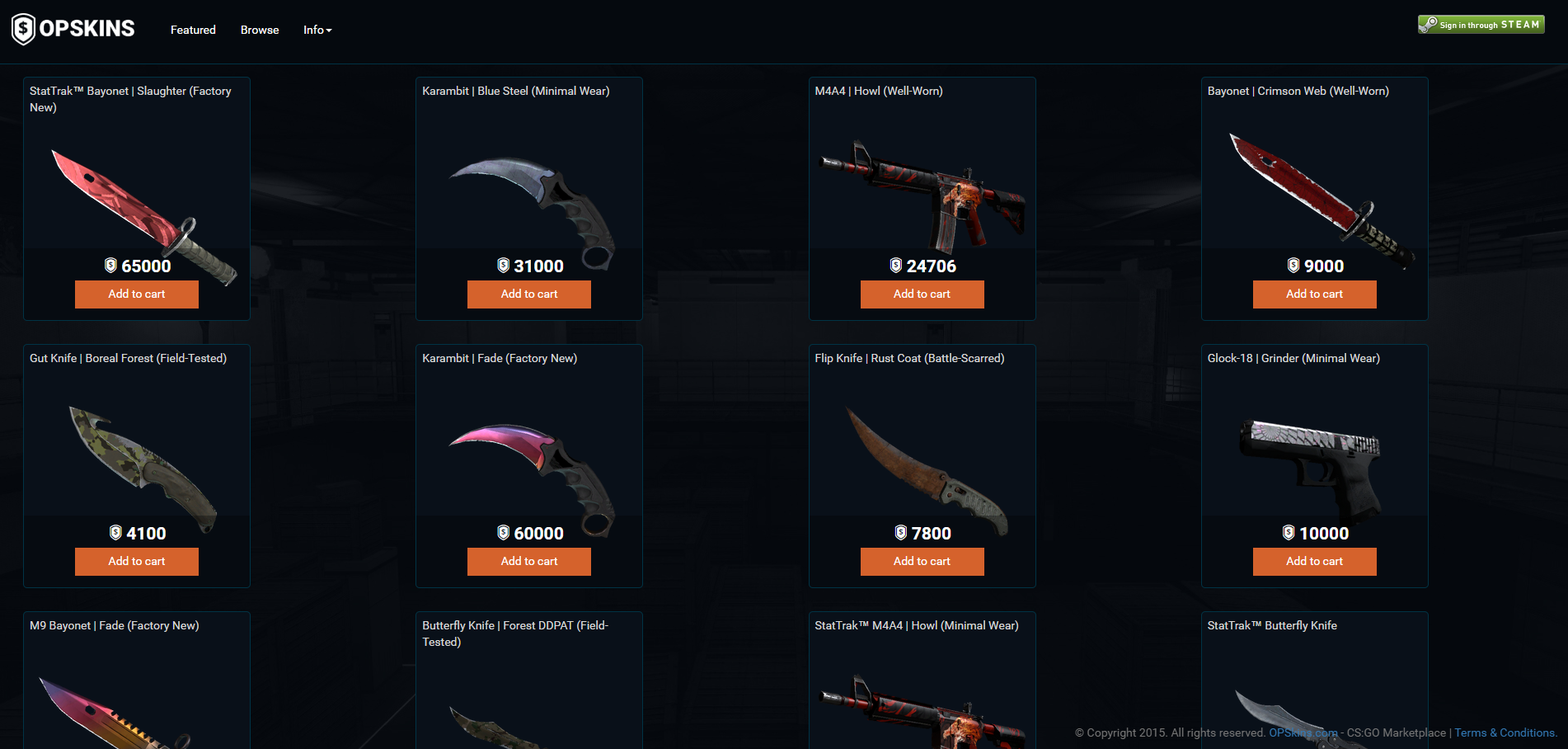
OPSkins was a CS:GO skin trading marketplace based in Montreal, operating from 2015 to 2020. It was the CSFloat of its time, meaning that it was the go-to marketplace for basically every CS:GO player. OPSkins functioned as a Peer-to-Peer site supported with bots, meaning everyone can buy or sell their skins by depositing or withdrawing them through OPSkins's bots. Skin trading, and skins in general, were fairly new to Counter-Strike, so OPSkins basically pioneered the skin trading industry into what we have now. After OPSkins' launch, it quickly gained attraction and soon enough their trading bots stored more than $2 million skins in value. The website reportedly was already doing an average of $100,000 in transactions per day, which netted the OPSkins around $10,000 profit per day (numbers are after tax) - and this was already happening in the same year of launch. An average of 10,000 new users registered on the site every 48 hours; within five months, OPSkins had recorded over 2.85 million skin sales. Everything just snowballed into OPSkins' favor. All of the streamers and YouTubers started using OPSkins naturally. OPSkins even started sponsoring events, such as investing $100,000 for ESWC CS:GO Finals 2015, and the website truly cemented itself within CS:GO at the time, being the main source to buy or cash out skins.
The downfall
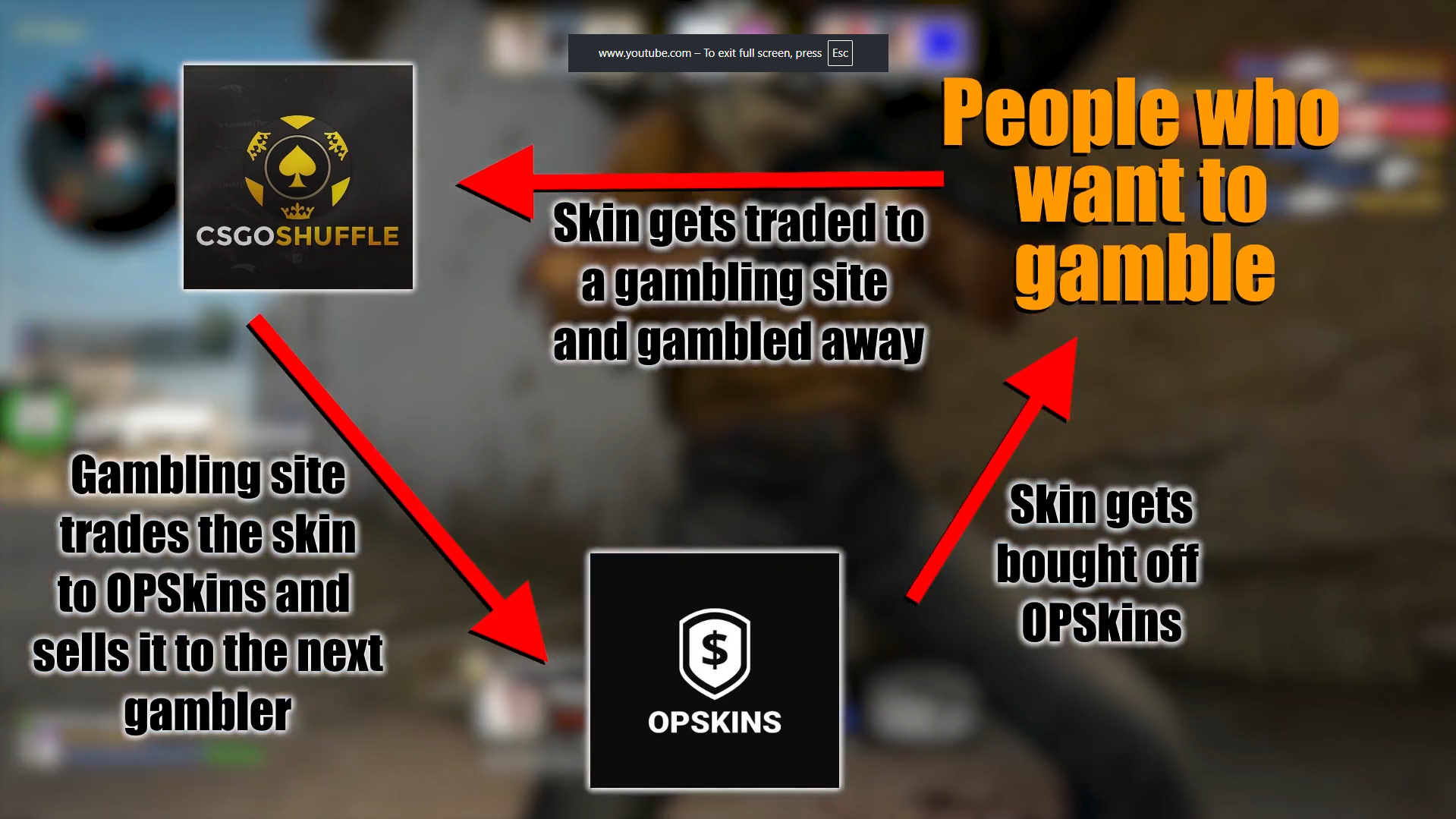
OPSkins was not the only CS: GO-related site that was blowing up at the time. During those times, gambling/betting sites were also at the pinnacle of Counter-Strike, where players could easily gamble their skins on those websites. Coincidentally, OPSkins found themselves in the middle of this by bridging the gap and providing indirect real-world trading for such sites, meaning that users can easily use their own money to buy or sell CS:GO skins, which they can use to gamble on said sites (or cash out the winnings). But logically, OPSkins was created for the players and had no affiliation with those websites, right? Well, right a year into the project, OPSkins started mentioning various collaborations, most notably PhantomL0rd, who was a popular content creator within the CS:GO gambling scene.
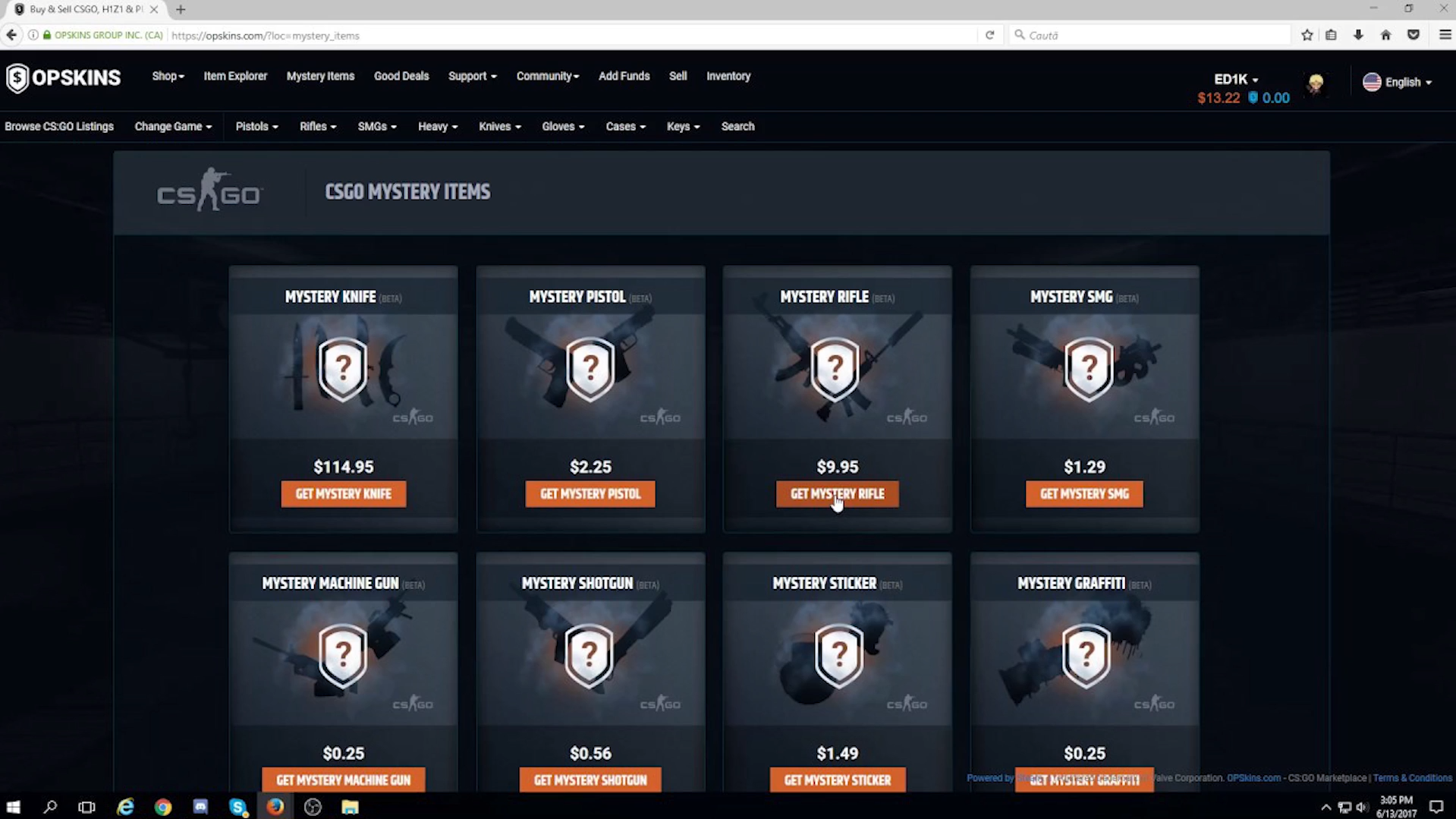
The tides really started to turn in late 2016, when OPSkins was bought out and came under new ownership. Slowly, the site was becoming more than it should have. Within a year, a unique gambling concept was introduced in OPSkins, where users can open mystery cases and get a random skin out of it. This looked like a really reckless move because it wasn't that long ago that Valve handed out a bunch of cease-and-desist letters to various gambling sites. The mystery cases got removed only 15 days after their launch. In 2018, OPSkins introduced its own cryptocurrency, called WAX. It raised around $41 million and overall seemed like a successful project, but it also got OPSkins sued for being fraudulent and not what it was supposed to be, plus it was alleged to be involved in gambling.
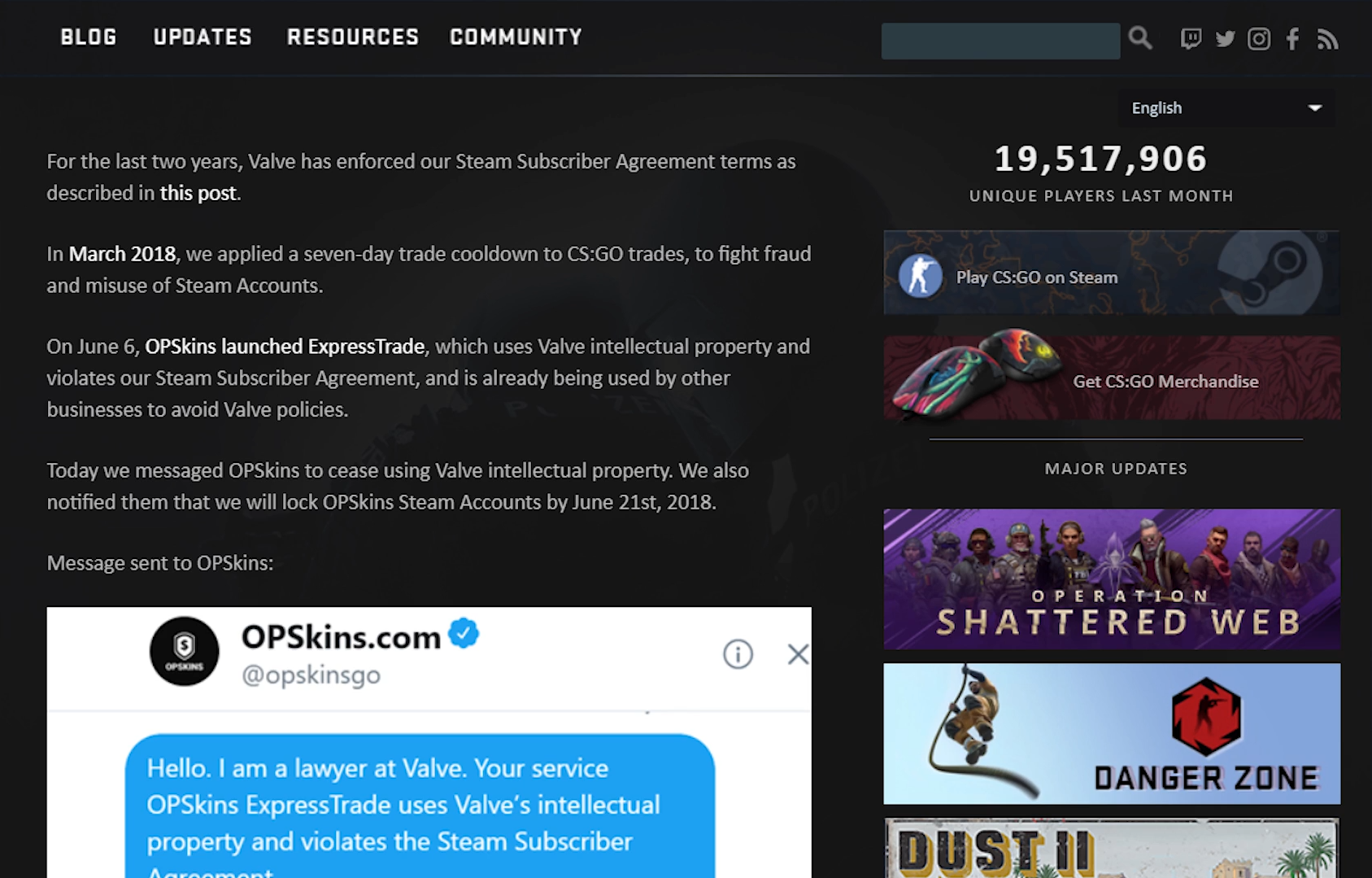
In March 2018, Valve introduced a 7-day tradehold for all CS: GO-related trades, which turned out to be a huge problem for OPSkins because it would disrupt their business model with the gambling sites, which led to significantly smaller profits. To counter the update, OPSkins released a feature called ExpressTrade, which allowed users to trade skins without leaving OPSkins, meaning that the user actually didn't need to do any trades on Steam. With this, a big red flag was that the API was also used for gambling sites to take advantage. Even with this in mind, OPSkins business model didn't meet Steam's Subscriber Agreement, meaning that OPSkins operated without meeting Steam's guidelines. This was the blow for OPSkins that got Valve involved. Valve stepped in and messaged OPSkins to cease using any Valve intellectual property, also stating that Valve is going to ban all OPSkins bots by June 21st, 2018. The bots got eventually locked out, leading to more than 2800 accounts being banned and over $2 million in skins being stuck in those banned inventories.
The response
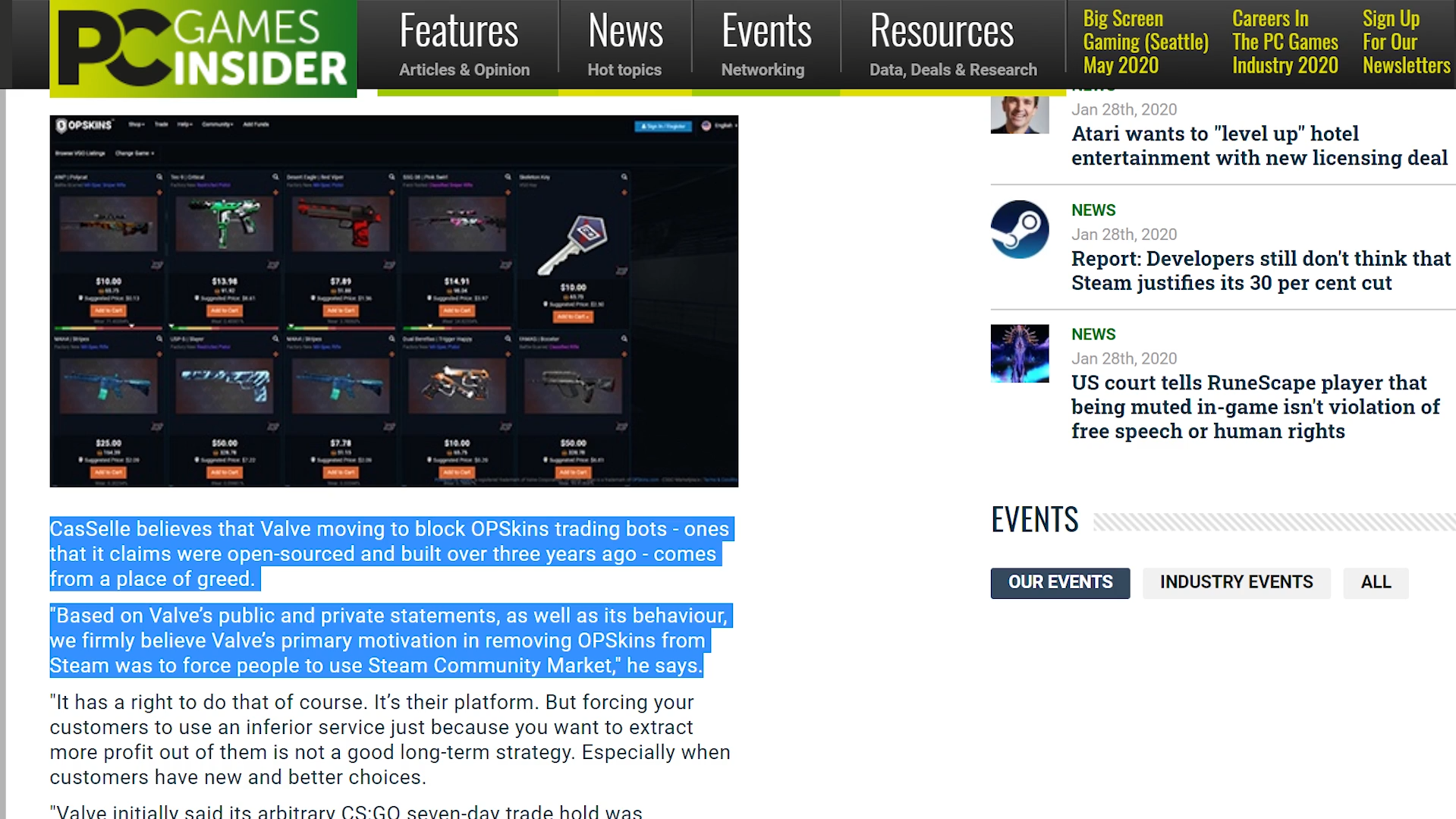
OPSkins tried to fight the take-down by stating that Valve is greedy and Valve wants to keep all of the trading within the Steam Community Market. That statement seemed weak, though, because at the time of takedown, OPSkins had competitors, such as BitSkins, SkinBaron, CS.Money. The difference with these other trading sites is that they didn't try to abuse the 7-day tradehold feature and adapted in a way that didn't break Steam's guidelines.
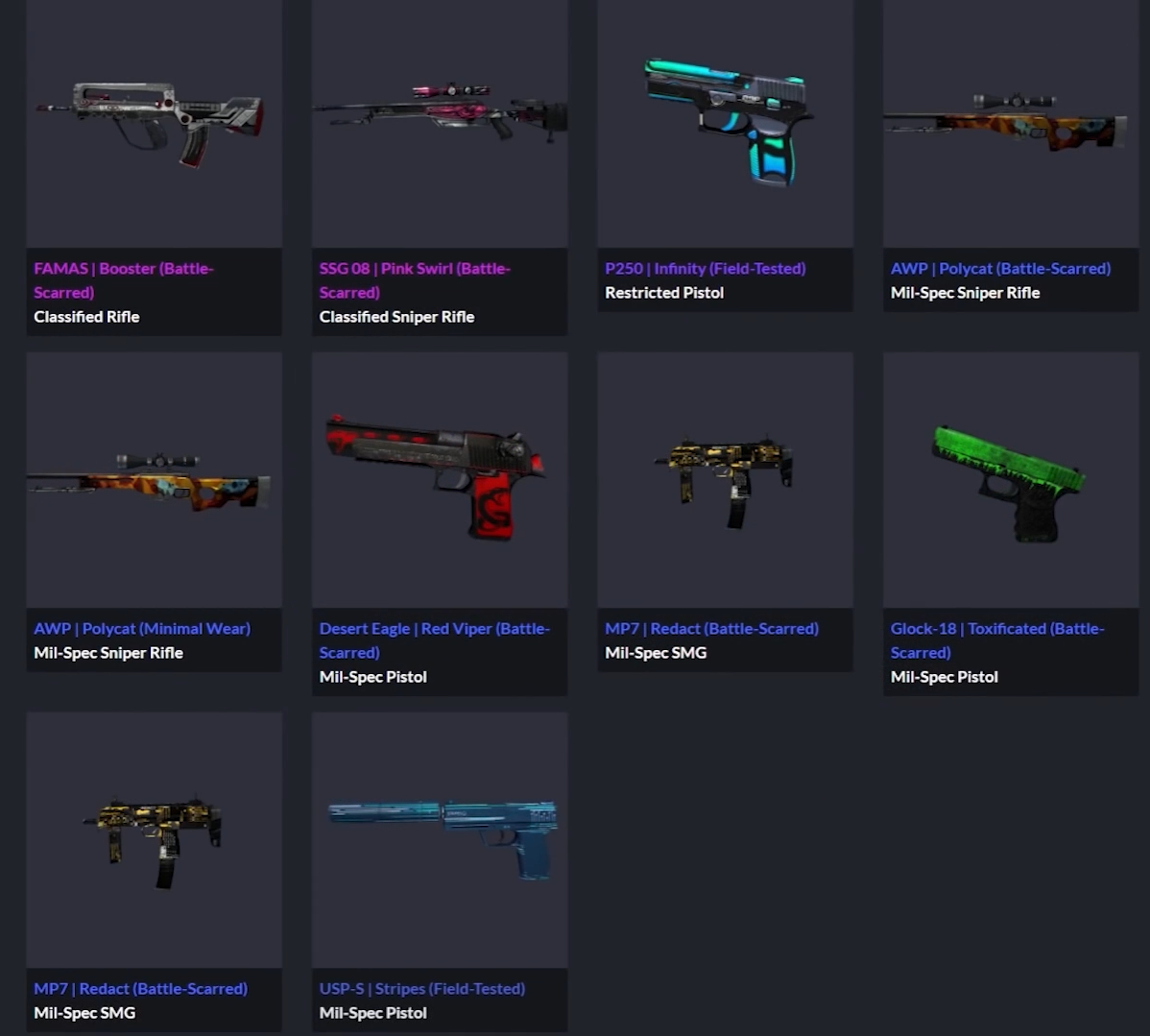
After the disruption, the next go OPSkins was the introduction of VGO in late 2018, which was a replica of CS:GO skins economy, where OPSkins hosted their own version of skins, backed by a blockchain system that worked closely to what we have now with NFTs. These skins had no relation to CS:GO, meaning they had no use in-game; this was allegedly purely made so gambling sites could keep using OPSkins for easy transactions without the risks of Valve getting involved. None of this seemed to work, and VGO shut down in 2019.
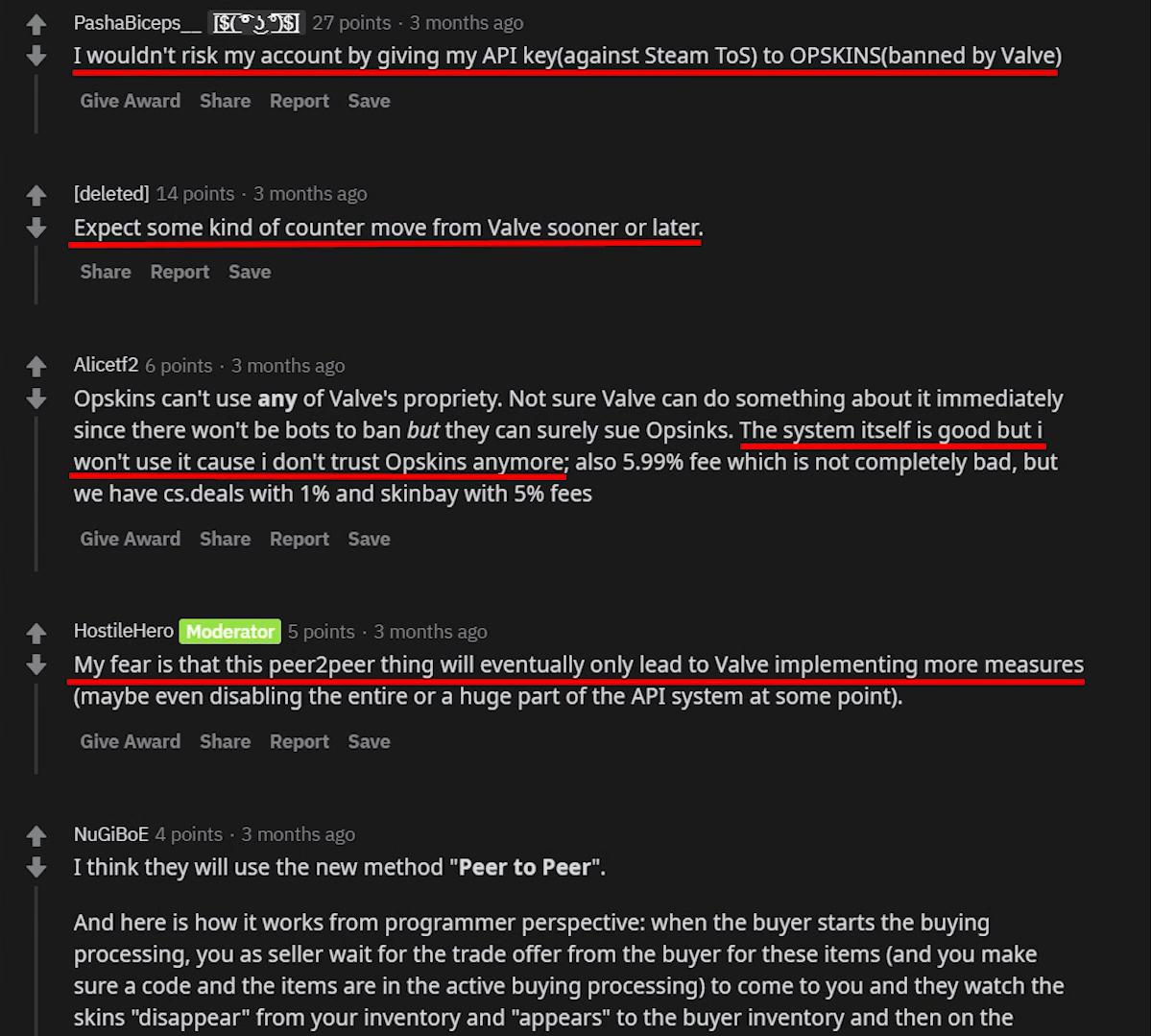
The continuing failure led OPSkins to one last attempt by launching a Peer-to-Peer trading marketplace. This version is very similar to how originally OPSkins worked, but without any bots, players would list items without instantly offloading them out of their inventory, and only send the trades once the item is bought, the same way as Buff.163, CSFloat works nowadays. Unfortunately, the trust with users was already broken, players stated the fear of using OPSkins from past experiences, the P2P attempt didn't seem to go anywhere, and OPSkins posted a statement that the website would shut down in January 2020.
Conclusion
It looked like OPSkins was on top of the world in the early days at launch. It was the biggest 3rd party marketplace for CS:GO skins. The numbers looked amazing, but the greed came into play and ruined everything. Involvement with gambling, cryptocurrency void, and ultimately, disrespecting Valve's guidelines ruined everything that OPSkins built. If not any of the mentioned errors, it is highly likely that OPSkins would be operational today and still be a profitable business, perhaps even a strong contender for a #1 skin marketplace, knowing how well the Counter-Strike skins scene flourished from year to year, where now we can see over 40 CS2 skin trading sites successfully running their business. OPSkins is still something that left a mark in CS skin history; it shaped the start of skin trading sites and showed what you can't do when you get involved in this scene.
This article was strongly inspired by TDM_Heyzeus video about this topic, most of the screenshots were taken from said video. Feel free to watch his video if you prefer a video format: